
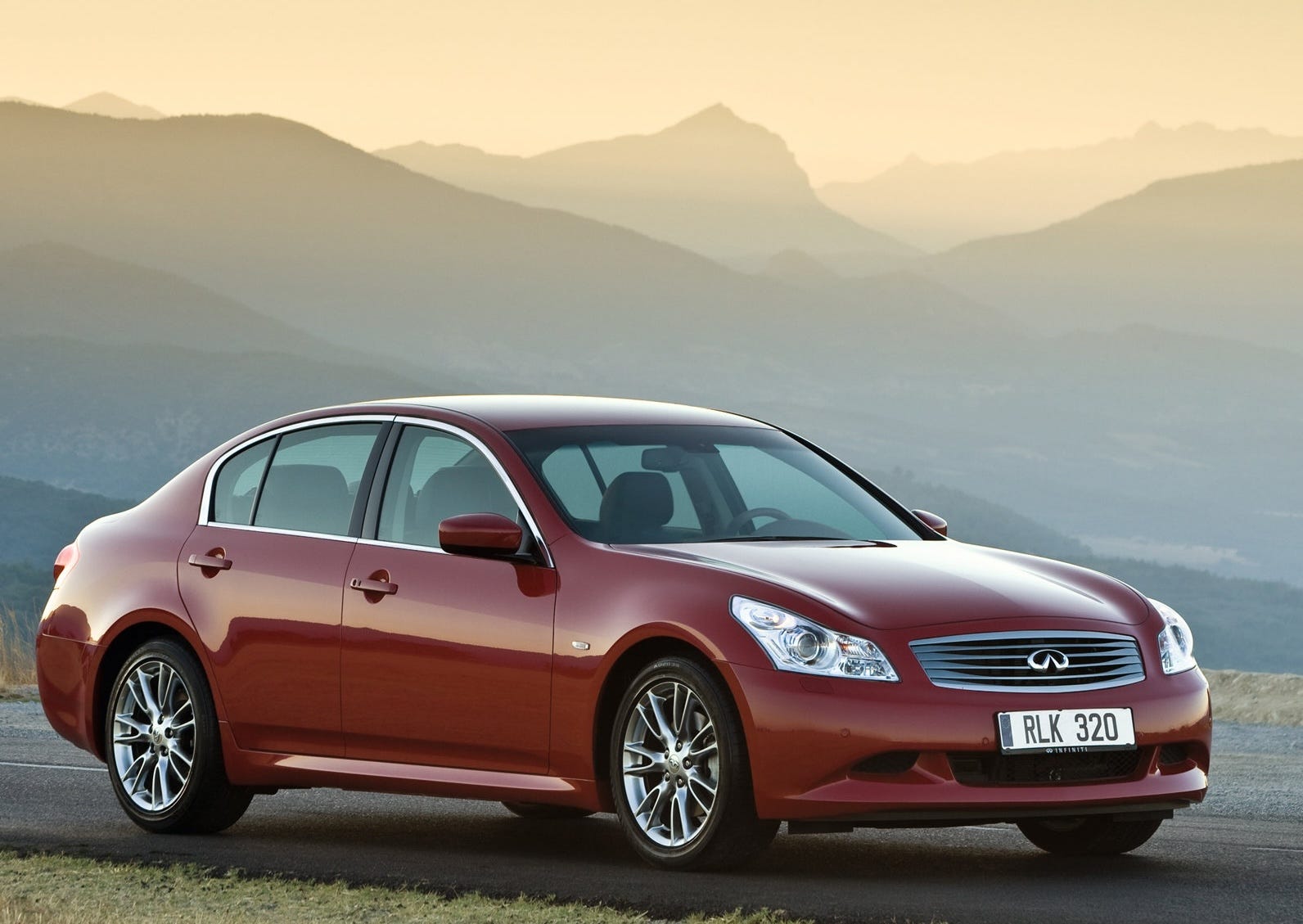
There was a time when Infiniti actually meant something in this industry, and it wasn’t that long ago. The G35 showed up in 2003 and gave BMW’s 3 Series a legitimate fight for the first time in years. It had rear-wheel drive, a 3.5-liter V6 that loved to rev, and a six-speed manual if you wanted it. Enthusiasts loved them, and they were a common sight on the streets. The G37 kept the momentum going and gave the brand real credibility with people who actually care about driving.
The FX was, in many ways, ahead of its time. Infiniti took an available V8, stuffed it into a crossover with a sloping roofline and sport-tuned suspension, and produced the FX45 at a time when that kind of vehicle barely existed. The market wasn’t fully ready for a crossover that drove like a sports car, but Infiniti built it anyway. Many luxury brands eventually copied that formula, with sloped rooflines and a focus on sportiness, which is why we now have vehicles like the BMW X6, Mercedes GLC and GLE Coupes, and Audi Q8.
The Infiniti M rounded things out on the larger end. The M37 and M56 were full-size sedans designed to go toe-to-toe with German competition. The M56 specifically, with 420 horsepower and a chassis that actually communicated with the driver, was a great car. Infiniti had its own identity and credibility in the luxury space, and was not simply a nicer Nissan.
By 2017 Infiniti was selling over 150,000 vehicles a year in the United States. Not segment-dominating numbers, but enough to be a real player. Then, they lost all of their momentum.
The Rename
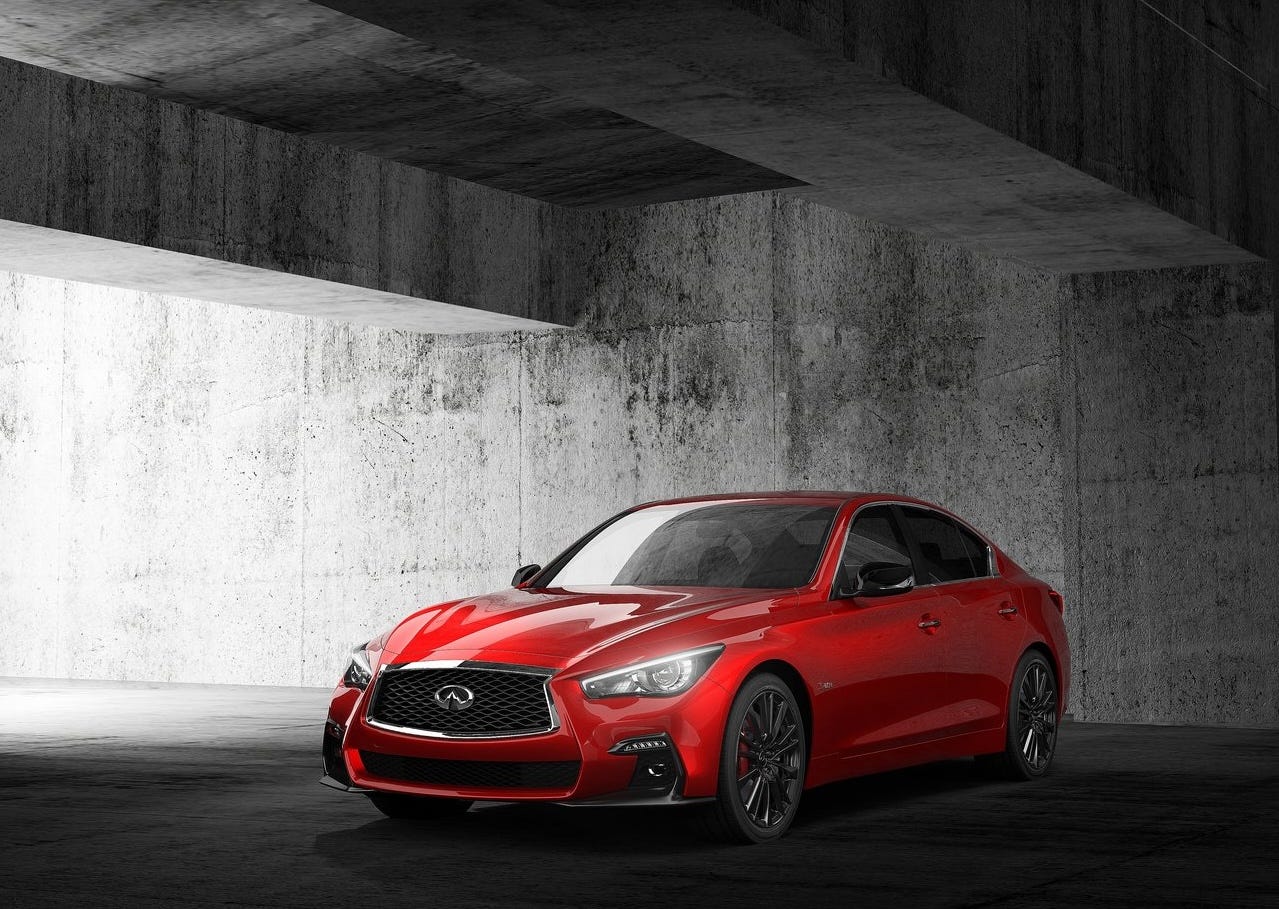
In 2012, Infiniti announced it was scrapping all of its model names. The G became the Q50, the M became the Q70, the FX became the QX70. Every sedan would carry a Q prefix and every SUV would carry a QX, starting with the 2014 model year. Johan de Nysschen, who came over from Audi, wanted a unified global naming structure that felt systematic and premium, similar to what Audi had done years earlier.
The issue is that Audi spent decades building equity into those alphanumeric names before customers understood what they meant. Infiniti did not have that same runway or that same global footprint. The G35 had a real identity that people remembered and talked about. The Q50 had nothing. It was a letter and a number with no history behind it. Dealers did their best to explain it, but the Q50 left customers confused and never really took off. Even typing this article as a car enthusiast, it’s difficult to keep all the names straight.
The confusion was so bad that Infiniti recently admitted the strategy failed outright. Nissan Americas Chairman Christian Meunier called it “alphabet soup” and said the names do nothing to build an emotional connection with buyers. At least they can admit their mistake.
The Fall
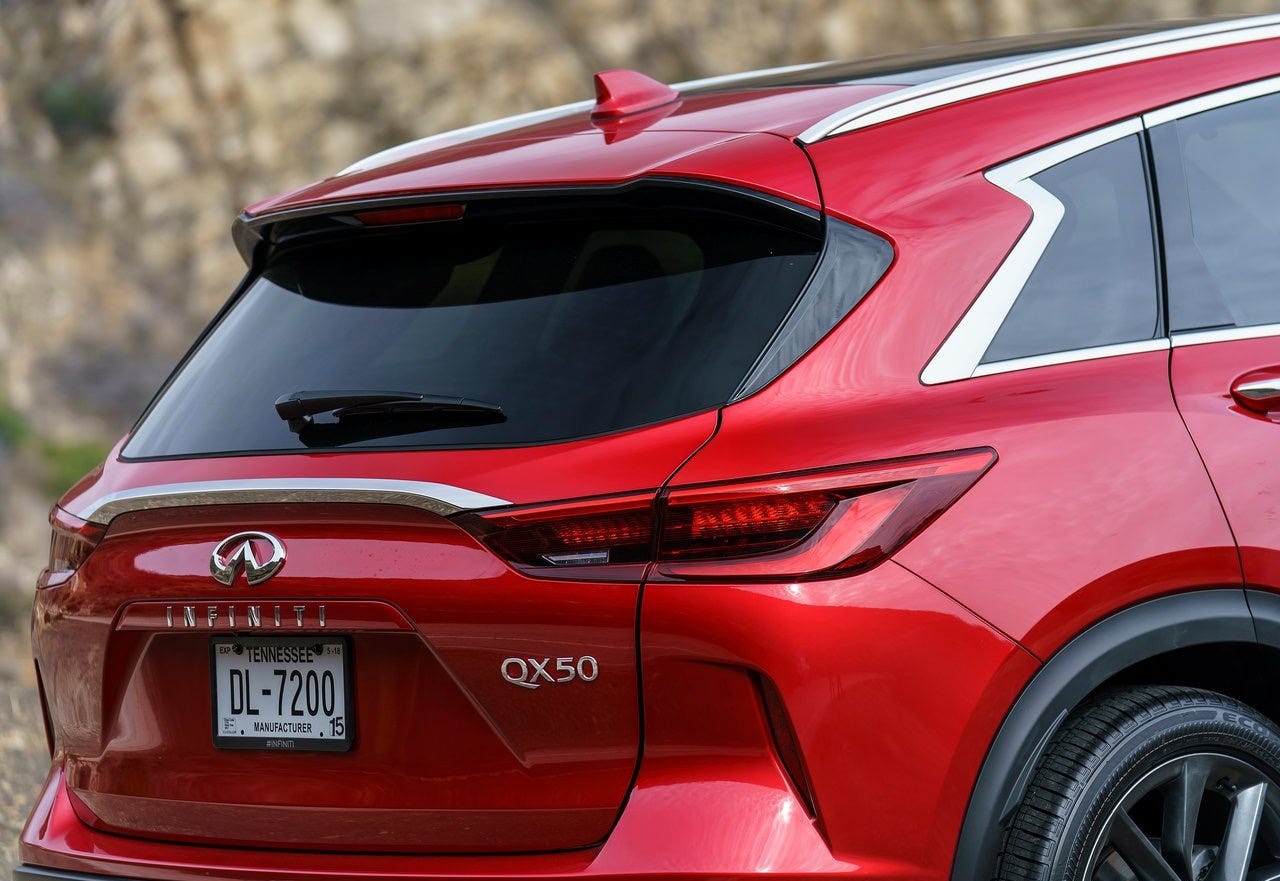
The naming problem did damage, but the real erosion came from the products themselves. Shared Nissan architecture stopped being a cost efficiency and started being a punchline. The three-row QX60 sat on the same platform as the Nissan Pathfinder, with the same powertrains. The QX50 used a CVT that reviewers spent years complaining about, and had dated tech inside that didn’t deserve a mention in the same conversation as German rivals. The Q50 ran from 2014 all the way to 2024 without a full redesign, which is an absurd lifespan for a luxury sedan trying to compete against German cars that update on a regular cycle. That same 10 year lifespan saw three generations of Mercedes C-Class, for reference.
Customers who bothered to look under the surface could see that Infiniti was selling premium pricing on top of unremarkable underpinnings and tech, and the value proposition started falling apart. Sales dropped every year from the 2017 peak. The sedan lineup got cut entirely when the Q50 was finally killed after 2024. The Q60 coupe was already long gone. The QX50 and QX55 were both discontinued, leaving the brand with exactly two vehicles for sale in the United States right now: the QX60, which is essentially a nicer Pathfinder, and the QX80, a nicer Armada.
The company sold around 52,000 vehicles in 2025, which is roughly a third of what it was moving at its peak. Nissan CEO Ivan Espinosa stood up and said plainly that “many mistakes were made,” including the failed attempt to build dedicated Infiniti platforms without the scale needed to support them. For a corporate executive to say something that direct in public is unusual, and it should tell you how bad things got before someone finally said it out loud.
The Comeback Plan
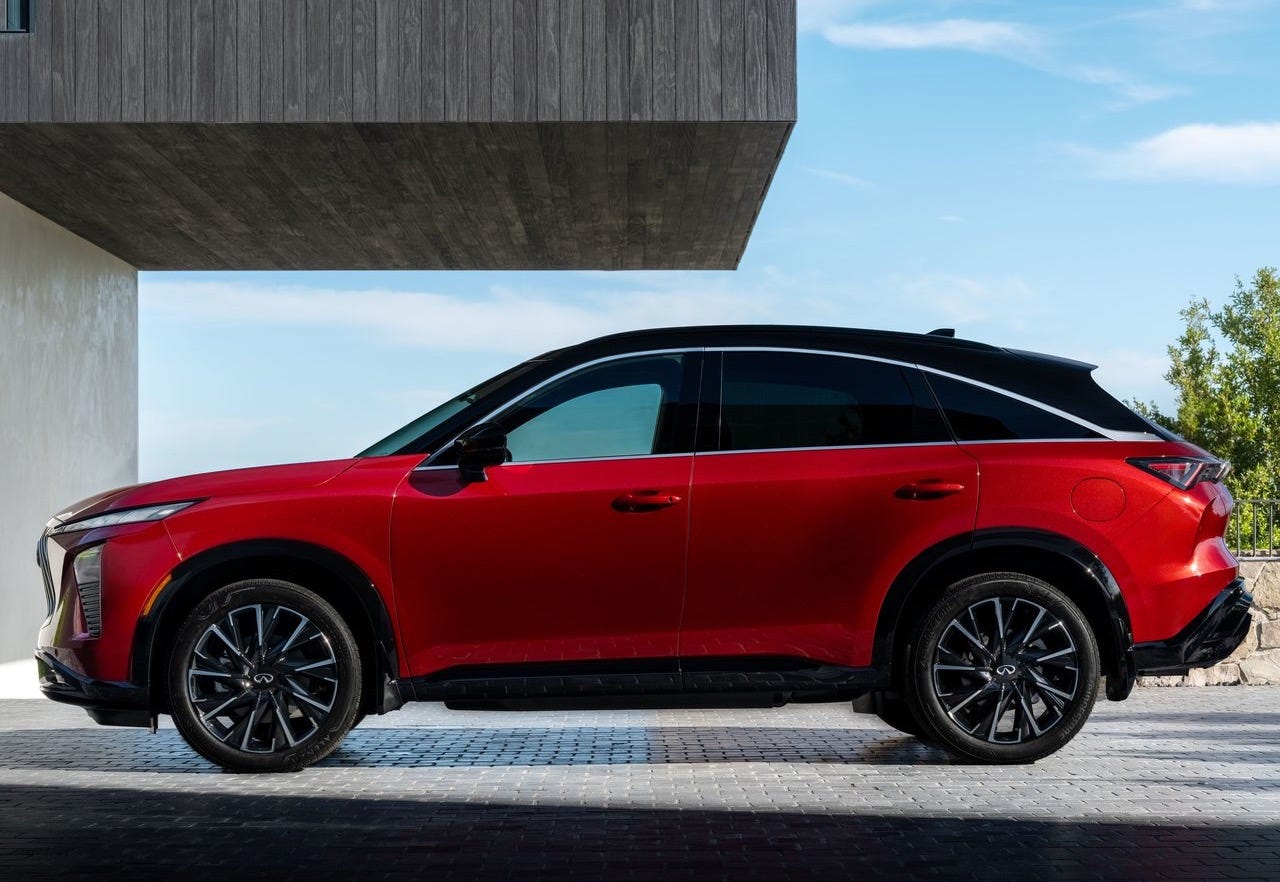
The QX65 is the first piece of the rebuild. It is arriving as a 2027 model and the design pulls from the old FX with a sloping roofline and aggressive proportions. However, it still shares its bones with the Nissan Pathfinder with a FWD-based platform and a 4-cylinder turbo, a far cry from the attitude of the original FX with its RWD architecture and available V8. That said, Infiniti is at least acknowledging they need something with a stronger identity than its recent models.
The news that actually got enthusiasts paying attention is the return of a sports sedan. After the brand killed it and briefly floated the idea of an electric replacement, Infiniti reversed course and is building a gas-powered sports sedan for a 2027 or 2028 launch. The new version is expected to use the same twin-turbocharged 3.0-liter V6 found in the Nissan Z, which makes around 400 horsepower in that application with a more powerful Red Sport variant reportedly under consideration. It will be rear-wheel drive based, and the brand is planning to offer a manual transmission, which would make it one of the only rear-drive luxury sedans in the country with a stick shift.
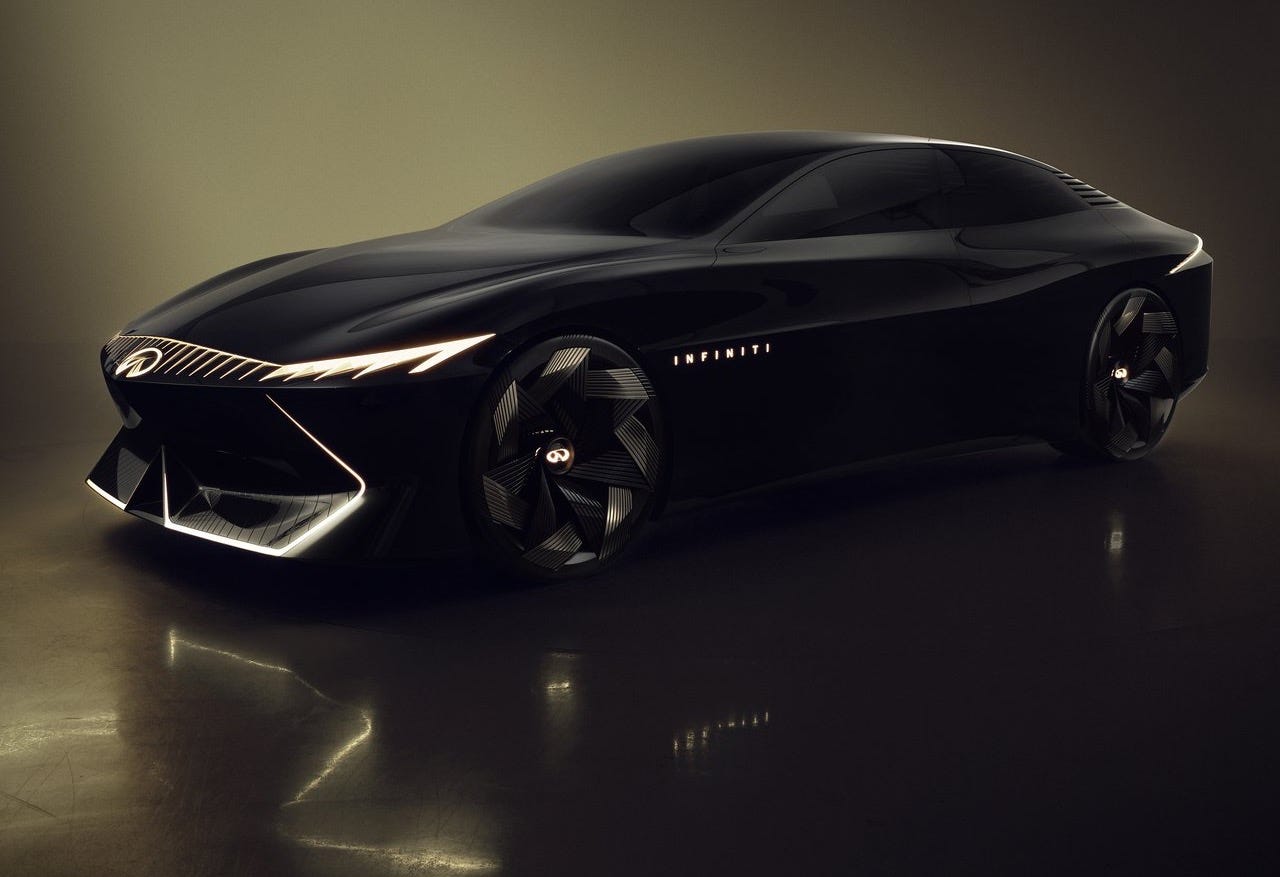
Infiniti is not expecting it to be a volume seller and the company has said as much publicly. The point of the new sedan is to give the brand a halo product that generates attention and brings people into showrooms, even if most of them walk out with a QX60. A starting price somewhere in the low $50,000 range with at least 400 horsepower would put it in striking distance of the BMW M340i at a significantly lower cost, and with an available manual the BMW does not offer. If they really want to remind enthusiasts that there’s still an argument for buying an Infiniti, they will call it the G.
Beyond the new sedan and the QX65, Nissan’s official product plan calls for a midsize hybrid SUV, and two body-on-frame hybrid SUVs arriving between now and 2030, with the overall goal of doubling Infiniti’s sales volume. The hybrid direction makes sense given where the market is heading and where the competition already is. The body-on-frame SUVs are more interesting. Nissan has already announced that they will produce a new X-Terra, and the next Pathfinder is rumored to move back to a body-on-frame platform that enables more off-road capability. It’s likely the two upcoming Infiniti SUVs will be a version of these vehicles and put a target on the back of the Lexus GX, and potentially the Mercedes G-Class.
The Execution
Infiniti has a shot to turn the ship around if they play their cars right. The brand has spent the better part of a decade making decisions that eroded trust with the buyers it needed to keep. Fixing that takes more than a press release about a manual sedan and a few SUVs. It takes products that are actually worth the premium over a well-equipped Nissan, and it takes a brand voice strong enough for people to remember why they cared about Infiniti in the first place.
Infiniti has the right ingredients, if they assemble them correctly. The VR30 engine is a legitimate performance unit, while the Nissan Z platform is dated, but has good bones. The off-road hybrid SUVs expand Infiniti to new segments that they have never touched before. Whether the company has the discipline to execute on all of it without reverting to old habits remains to be seen.