
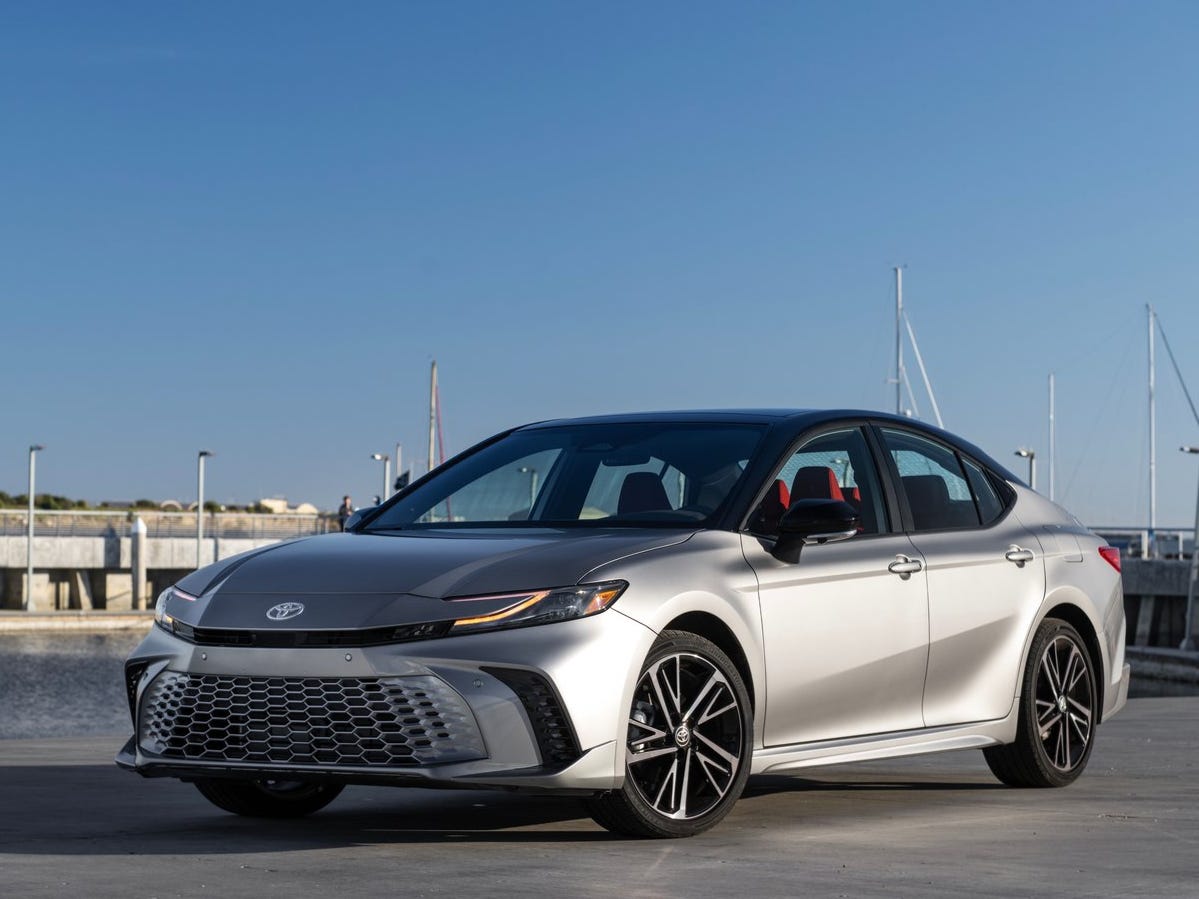
Over the last decade, the American automotive industry went completely rabid for crossovers and SUVs. Between 2014, when utility vehicles first edged past sedans in US registrations, and 2025, their share climbed from 36 percent to over 62 percent of new retail registrations, according to Experian Automotive. Sedans fell to roughly 18 percent of sales. Ford dropped every passenger car but the Mustang in 2018. GM axed the Cruze, the Impala, the Buick LaCrosse, and the Cadillac CT6 the same year. The reasons were valid: SUVs and crossovers have higher seating positions, AWD traction, and more cargo space.
Now, the cracks are showing in the crossover’s reign. In Q1 2026, the Toyota Camry briefly overtook the RAV4 as Toyota’s best-seller in the US for the first time in several years. The Honda Accord surged 21.9 percent. The Corolla climbed 12.8 percent. Karl Brauer, executive analyst at iSeeCars, called it bluntly: “There’s become kind of an SUV fatigue that everyone is experiencing from consumers to car designers to rental agencies.” There’s also an affordability factor. Cox Automotive data, as of April 2026, puts the average compact car at roughly $27,590 versus $37,514 for a compact SUV, a gap that lands harder when the average new-vehicle transaction has climbed north of $50,000.
There’s also a generational shift underway. An Escalent survey of 1,054 US teens aged 14 to 19, published in February 2026, found 51 percent imagine themselves driving a sedan in the future, against 31 percent who picked SUVs. Young buyers are averse to driving what their parents drive, and odds are, most of their parents are currently driving crossovers and SUVs.
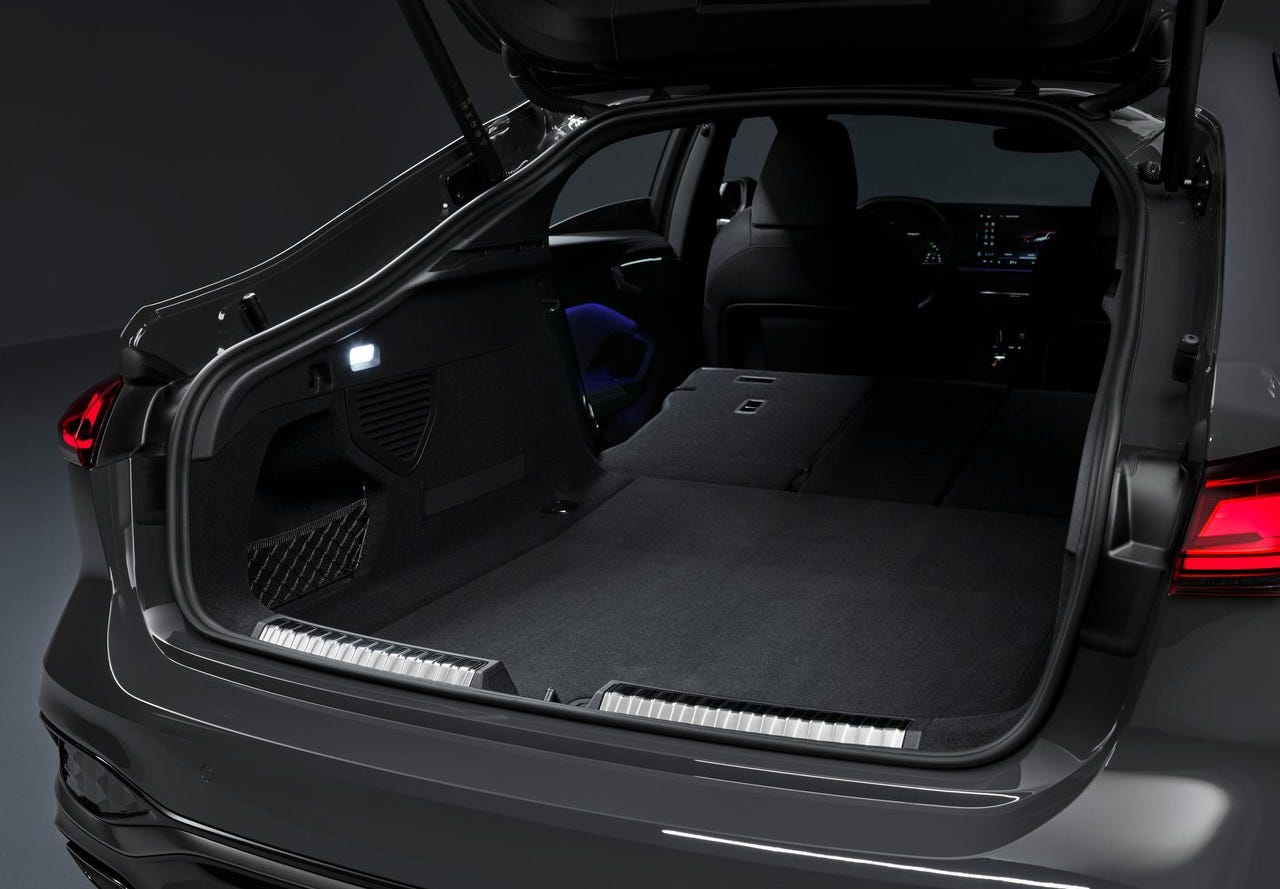
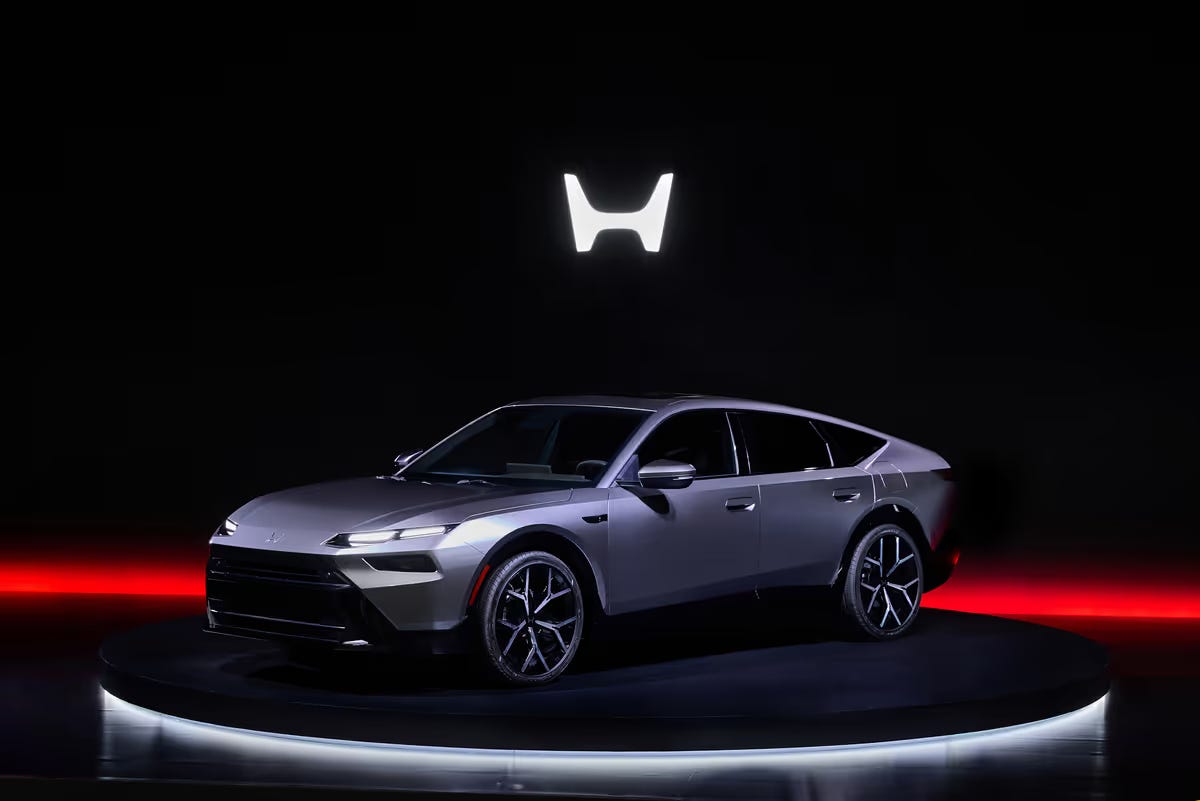
The sedan’s comeback will likely heavily feature fastback and liftback designs, which include a sloped roofline, a hatchback opening instead of a trunk lid, and improved aerodynamic efficiency that matters for EV range or just general fuel efficiency. The BMW 4-series Gran Coupe, Audi A5, and new Dodge Charger are examples of liftback sedans that have shown up in the market in recent years, and that body style is resonating with buyers as it improves cargo space and accessibility. Coupled with AWD availability in these sedans, the crossover’s value proposition starts to wane. Even Honda has shown a fastback sedan concept that appears to be a preview of the next-generation Accord, indicating that even longstanding sedan nameplates will be evolving into more practical, desirable body styles to win back buyers.
There are some caveats to all of this. The Camry’s Q1 sales surge was partly inflated by a deliberate RAV4 inventory shortage, and most of the “sedan comeback” still lives in surveys and product announcements, not showroom floors. The thin profit margins that pushed automakers out of sedans have not been solved. That said, the SUV-fatigue in the auto industry has created an opening, economic pressures made comparably affordable sedans look smart again, and a generation of teens raised in crossovers have decided they wanted something different. Make no mistake: the sedan isn’t dead yet.