
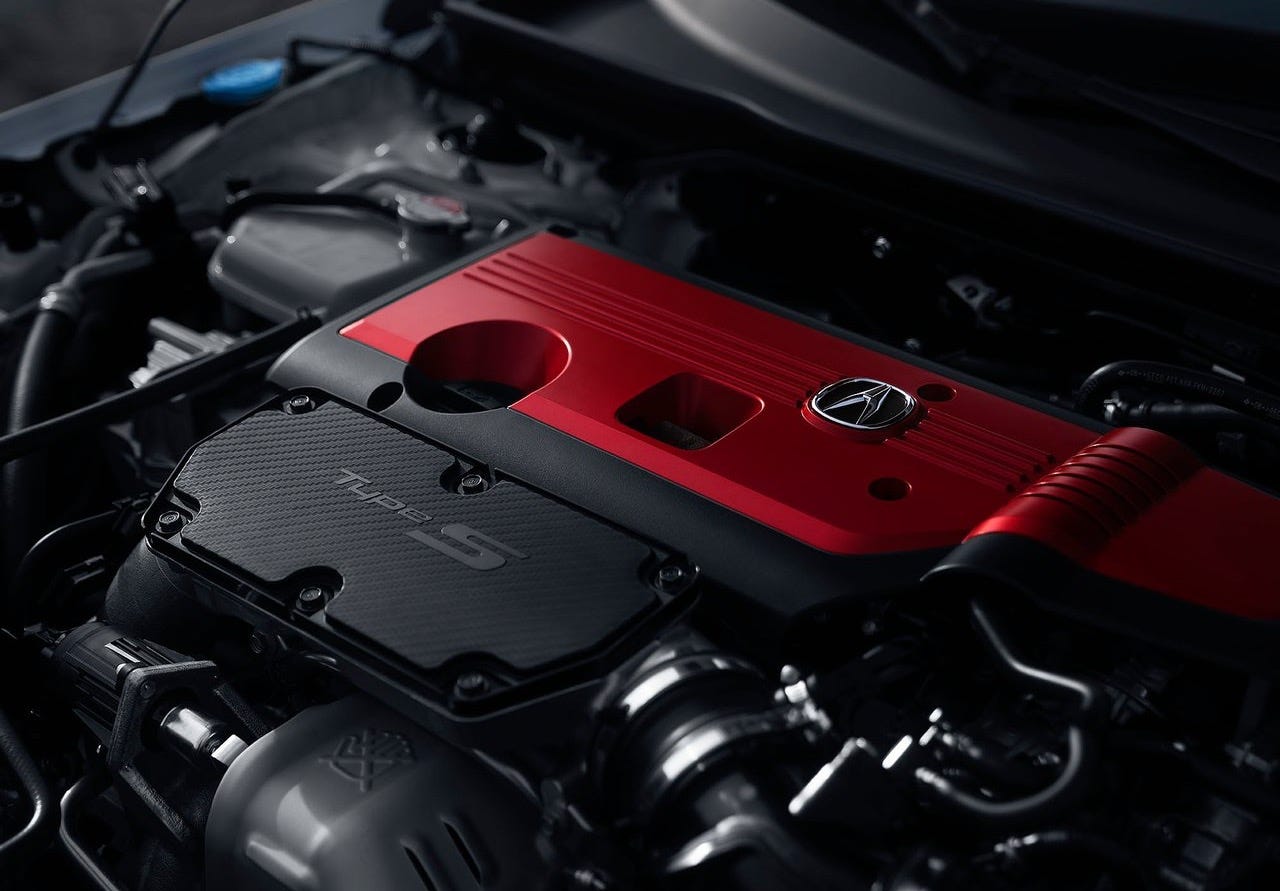
When you buy a car, you hand over anywhere tens of thousands of dollars, sign binding paperwork, and drive it off the lot. At that point, most people assume they own the thing. The title and insurance are in your name, and the payments are definitely coming out of your bank account every month. But the moment something goes wrong and you try to get the car fixed somewhere other than the dealership, you find out pretty quickly that ownership has some fine print attached to it.
For most of automotive history, fixing a car was a mechanical problem. Independent shops thrived because they had learn the skills required to fix cars. That started changing as vehicles became more computerized, and modern cars are essentially rolling software platforms. When something breaks, diagnosing it often requires proprietary software that only automakers control. Some repairs require a dealer-only calibration tool that independent shops cannot buy at all, or have to pay expensive annual subscription fees just to access. On top of that, newer vehicles broadcast real-time diagnostic data wirelessly through telematics systems, sending information about your car’s health directly to the manufacturer and their dealer network. Independent shops get none of that data, which is by design. Automakers are doing this purposely, because it gives them near exclusive access to repair your vehicle, meaning they can squeeze more money out of you.
Vehicle repair costs have gone up 42% over the last five years, which is nearly double the rate of inflation over the same period. Some of that is parts and labor, but a significant chunk of it is the way automakers control access to vital information to help technicians repair cars.
Trump sat down with GM’s CEO and Ford executives at the White House this week to discuss the issue. The auto dealer lobby is the loudest voice against right to repair, and their argument is that opening up repair data creates safety risks, which sounds a lot like a defensive statement designed to protect their revenue stream.
Congress has been working on this, and a bill called the Motor Vehicle Modernization Act of 2026 passed out of committee 48 to 1 in May, which is about as close to unanimous as you can get in 2026. It takes the existing voluntary agreement between automakers and the repair industry and makes it enforceable law, with the FTC given the authority to actually hold automakers accountable. The catch is that the piece around the right to repair wireless telematics systems got stripped out before the vote, which is the part that matters most for any vehicle built in the last several years. That portion is currently being punted to an FTC study, meaning Washington is still figuring out how to handle this with strong-willed automakers.
The fact that automakers have spent years and millions of dollars lobbying against your right to choose where your own vehicle gets fixed tells you exactly why they built this system the way they did. It seems reasonable that the person whose name is on the title gets to decide who repairs their car. The fact that this is a debate at all in 2026 should piss every car owner in the country off, regardless of what they drive or how they vote.